
Anchored in Frost – Sign Post Engineering in Arctic and Alpine Regions
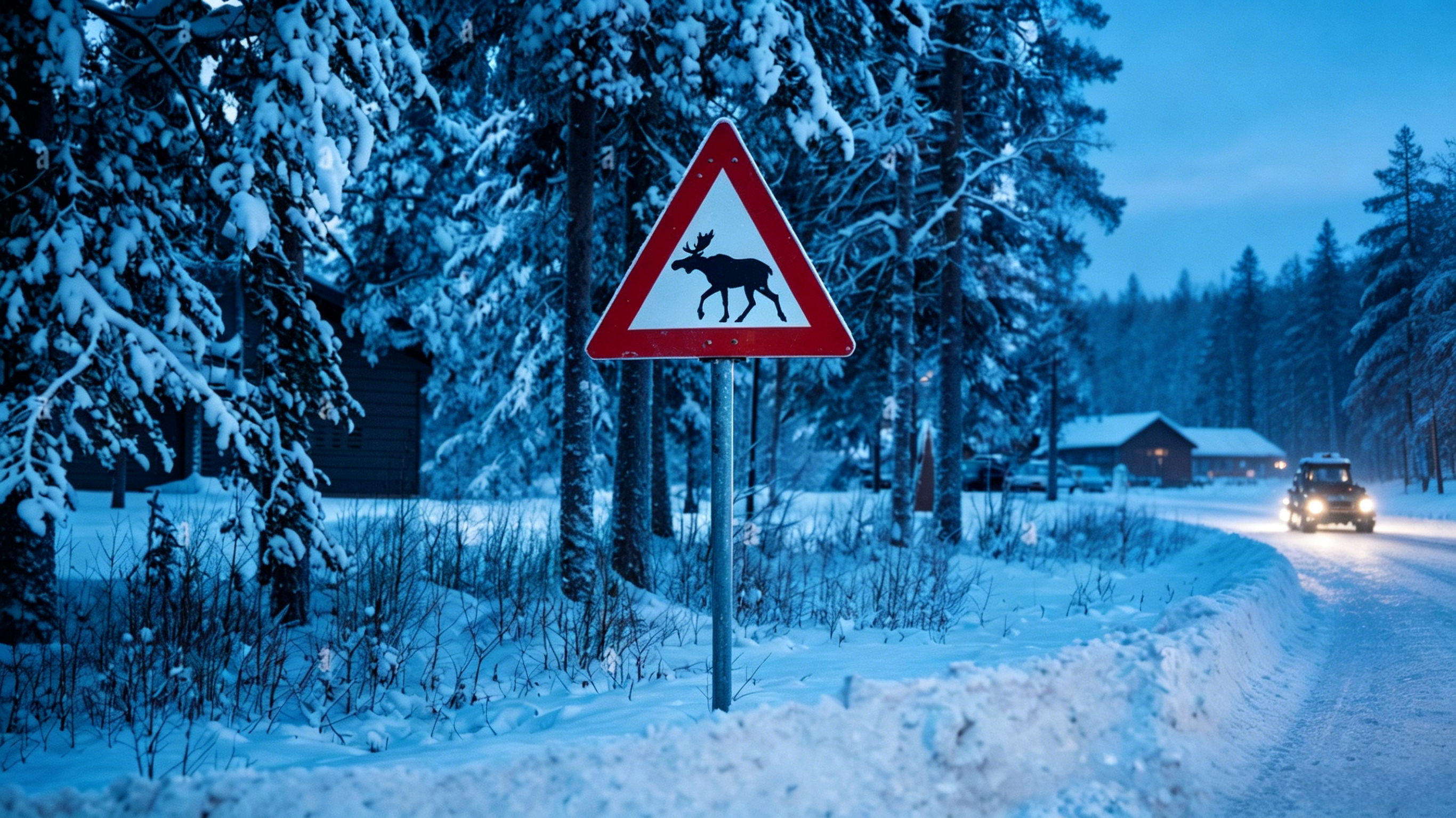
Installing a sign post in frozen ground is not just a matter of digging deeper. In permafrost and seasonally frozen soils, the ground itself is a dynamic engineering material that can lift, squeeze, and topple structures through frost heave and thaw settlement.
Frost heave occurs when water migrates toward a freezing front, forming ice lenses that expand the soil vertically. Upward pressures can exceed 500 kilopascals, enough to jack a concrete footing out of the ground. A sign post simply embedded in the active layer—the near-surface soil that freezes and thaws annually—will be lifted incrementally each winter unless it is anchored below the maximum frost depth. This depth varies from a few centimeters in mild climates to over three meters in parts of Siberia or northern Canada. Engineers rely on detailed frost-penetration maps and mandate that post foundations extend at least 300 millimeters below the recorded maximum frost line.
In continuous permafrost, the introduction of a metal post can cause localized permafrost thaw and settlement. The steel conducts heat from the summer sun into the frozen ground, melting the ice bonds and creating a slurry that cannot support the post laterally. To counter this, passive refrigeration devices known as thermosiphons are sometimes installed alongside critical sign or signal foundations. These sealed tubes contain a working fluid that vaporizes at ground temperature and condenses at the top when air temperatures drop below freezing, extracting heat from the soil. This keeps the permafrost stable year-round.
Material selection also shifts. Standard carbon steels become brittle at temperatures below -30°C, losing their fracture toughness. For Arctic signage, posts are fabricated from low-temperature rated steel (such as ASTM A572 Grade 50 with Charpy impact testing) or aluminum alloys that do not exhibit a ductile-to-brittle transition. Anchor bolts may be coated with a bonded lubricant that prevents ice adhesion and allows for thermal expansion.
In these extreme environments, a sign post is not a passive object; it is an active participant in a terrestrial thermal struggle, designed to stay vertical while the ground beneath it rises and falls with the seasons.
Communication With Customers From the Heart, We Can Do Better! e-mail: jinshi@wiremeshsupplier.com
Hebei jinshi industrial metal co., ltd